ACCOUNTING SOFTWARE
Cut 80% of Manual Accounting Work
You can focus on analyzing, while we automate the financial reporting
Monitor your company’s finances in real time
Automate balance sheets, profit & loss statements and cash flow reports
Generate ledgers, trial balances, invoices and journal entries automatically
Never Lose Track of Bills and Payments
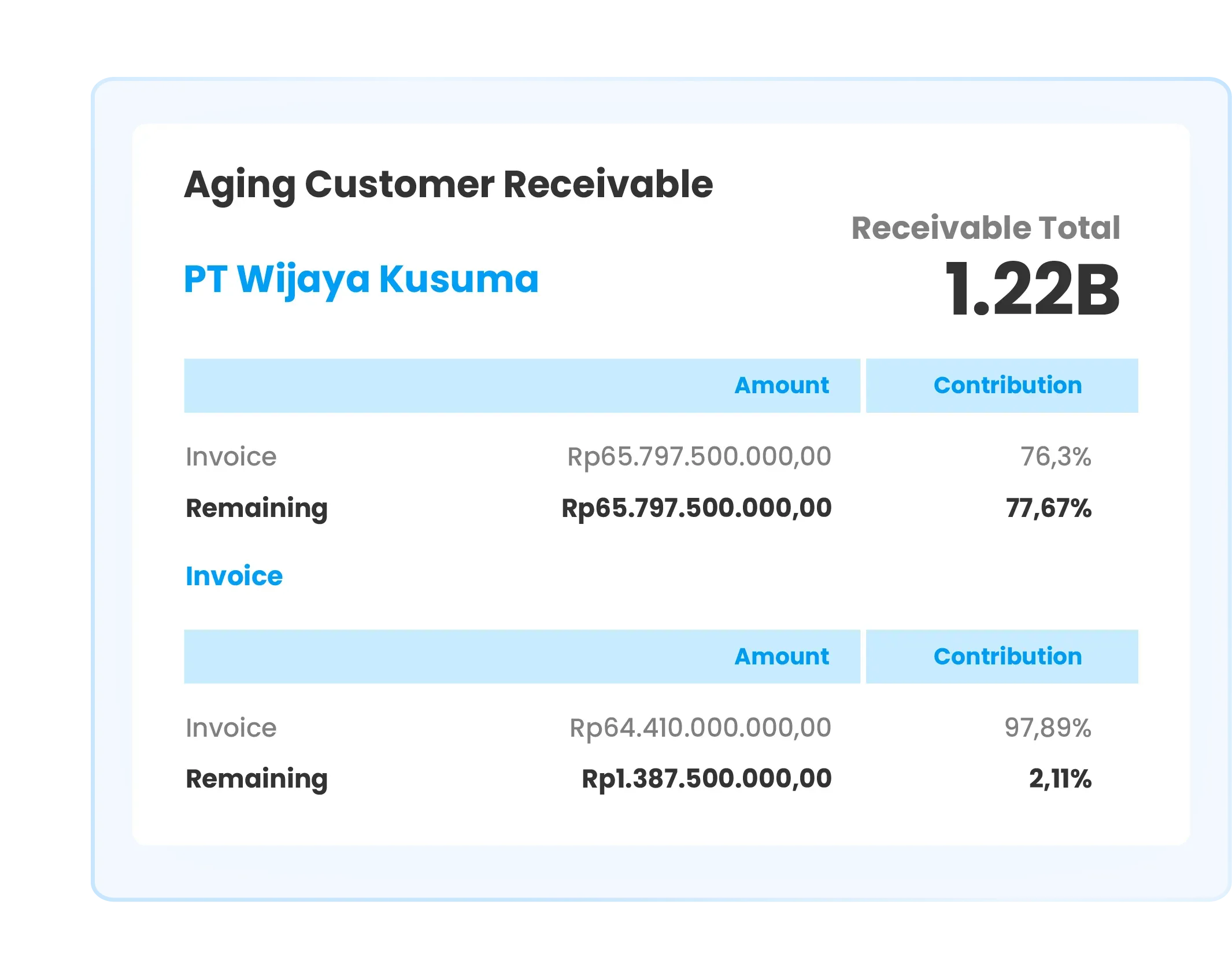
Stay safe with automatic due date tracking for all payables and receivables
Avoid late payments with smart due date reminders
Track payables and receivables across aging periods - from under 30 to over 120 days
Gain instant visibility into your company’s financial health anytime
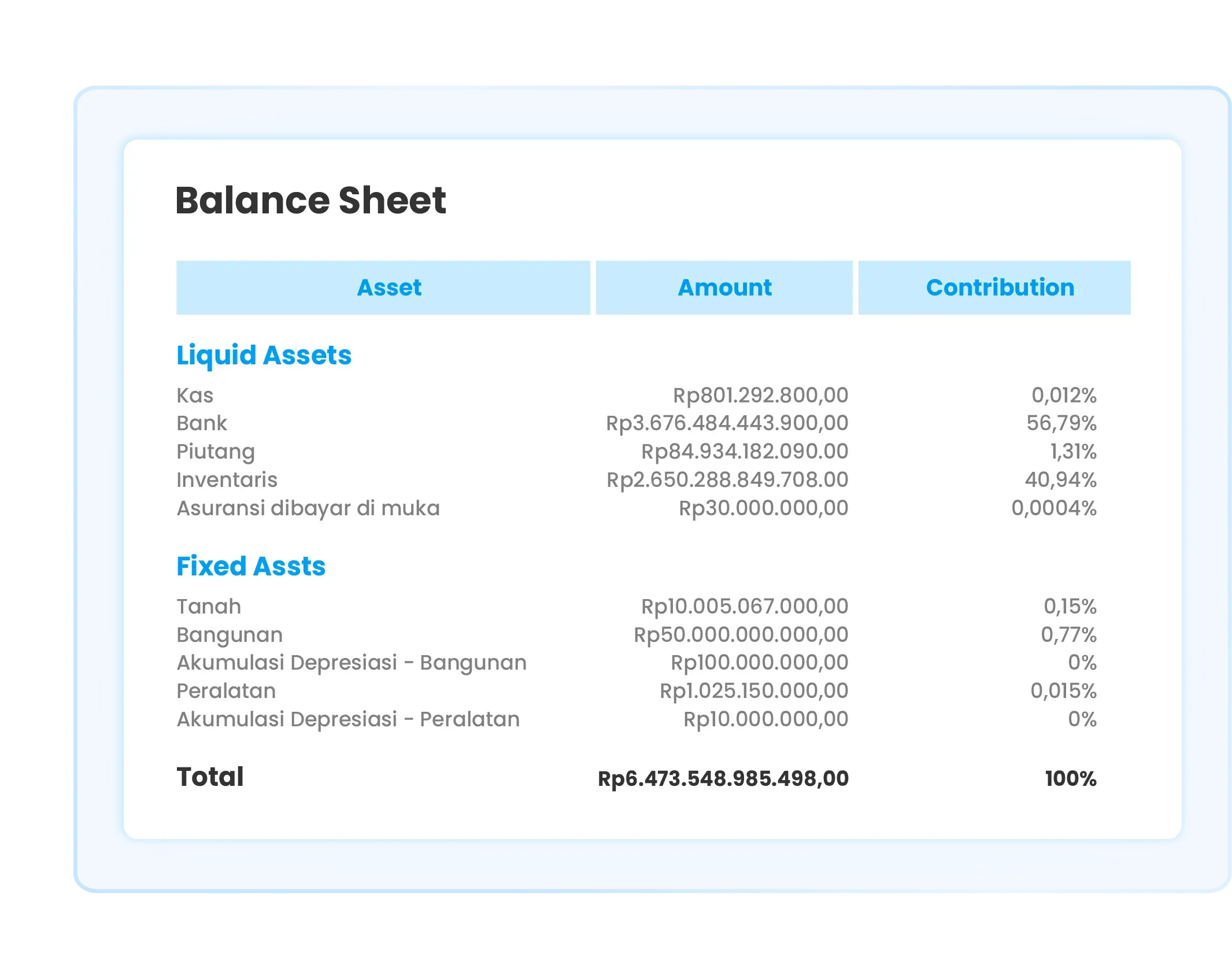
Detailed Balance Sheet, Income Statement and Cash Flow
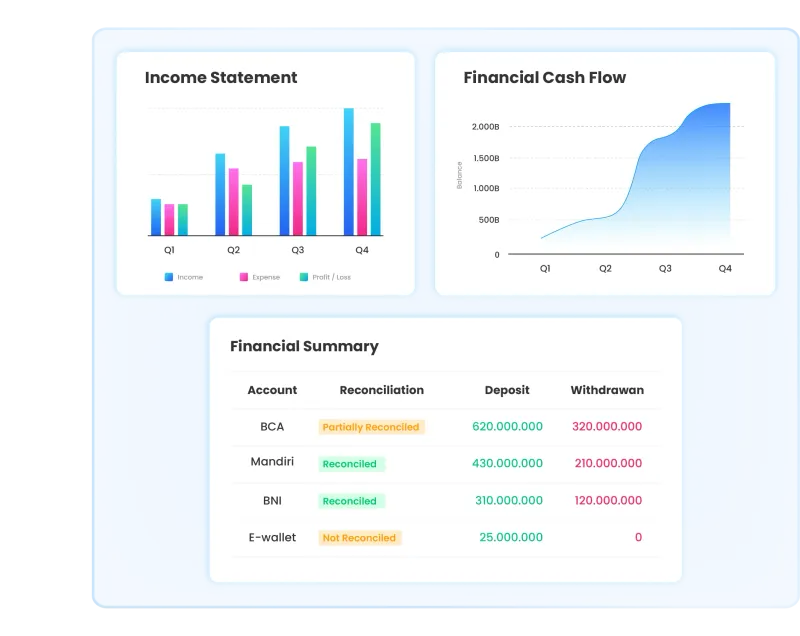
Get automated cash flow and income statements for a clear view of your company’s financial health
Generate detailed reports weekly, monthly or annually
View profit & loss by customer, warehouse, project or business unit
Track company profitability across all operational and financial activities
Comprehensive Asset Management
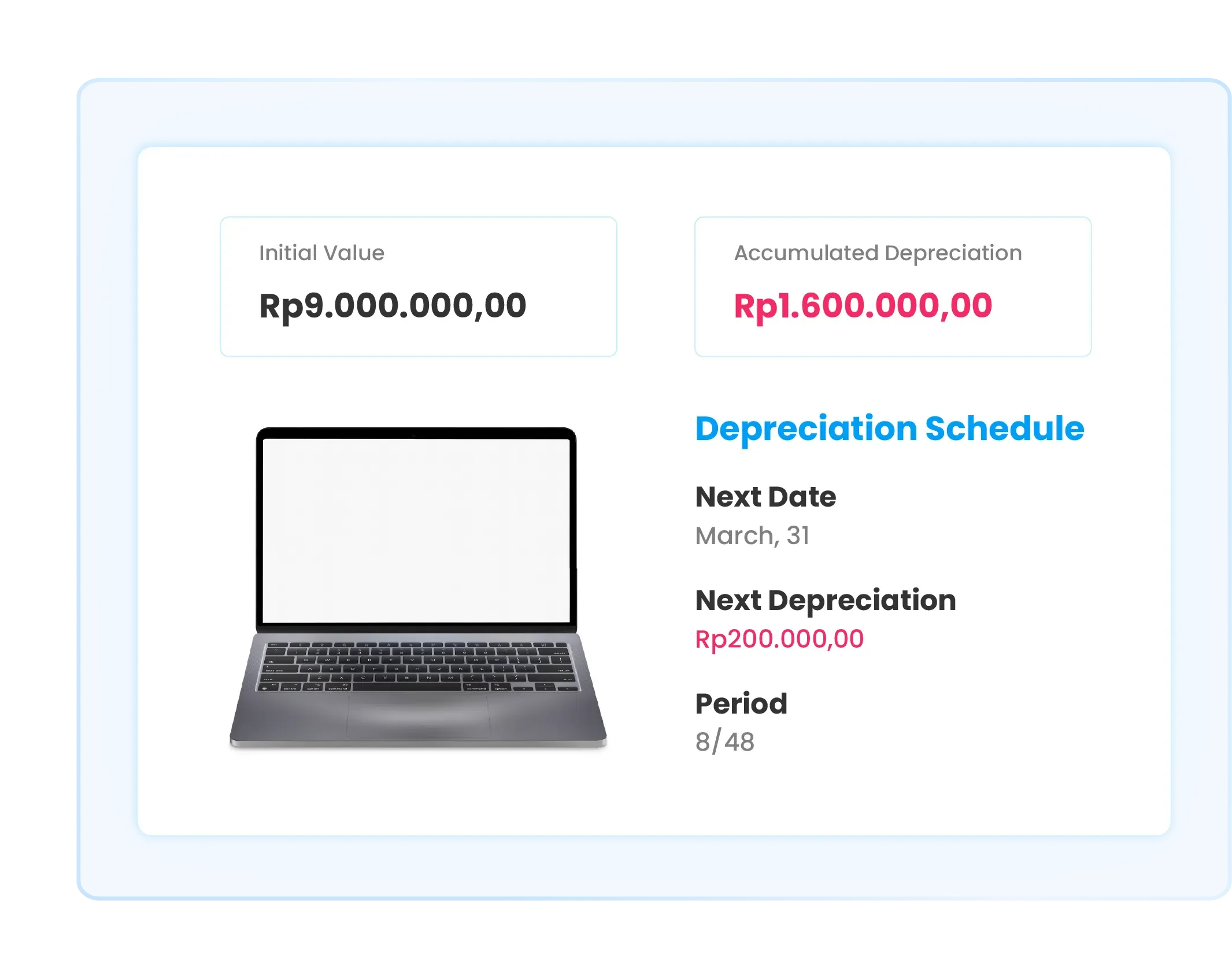
Automatically calculate and track your company’s asset value
Scheduled and automated depreciation calculations
Categorise assets based on your business needs
Supports manual, straight-line and declining balance depreciation methods
Never Miss Important Notifications
Make faster and smarter decisions with Ukirama’s Smart Assistant
Multi-level document approvals based on authority
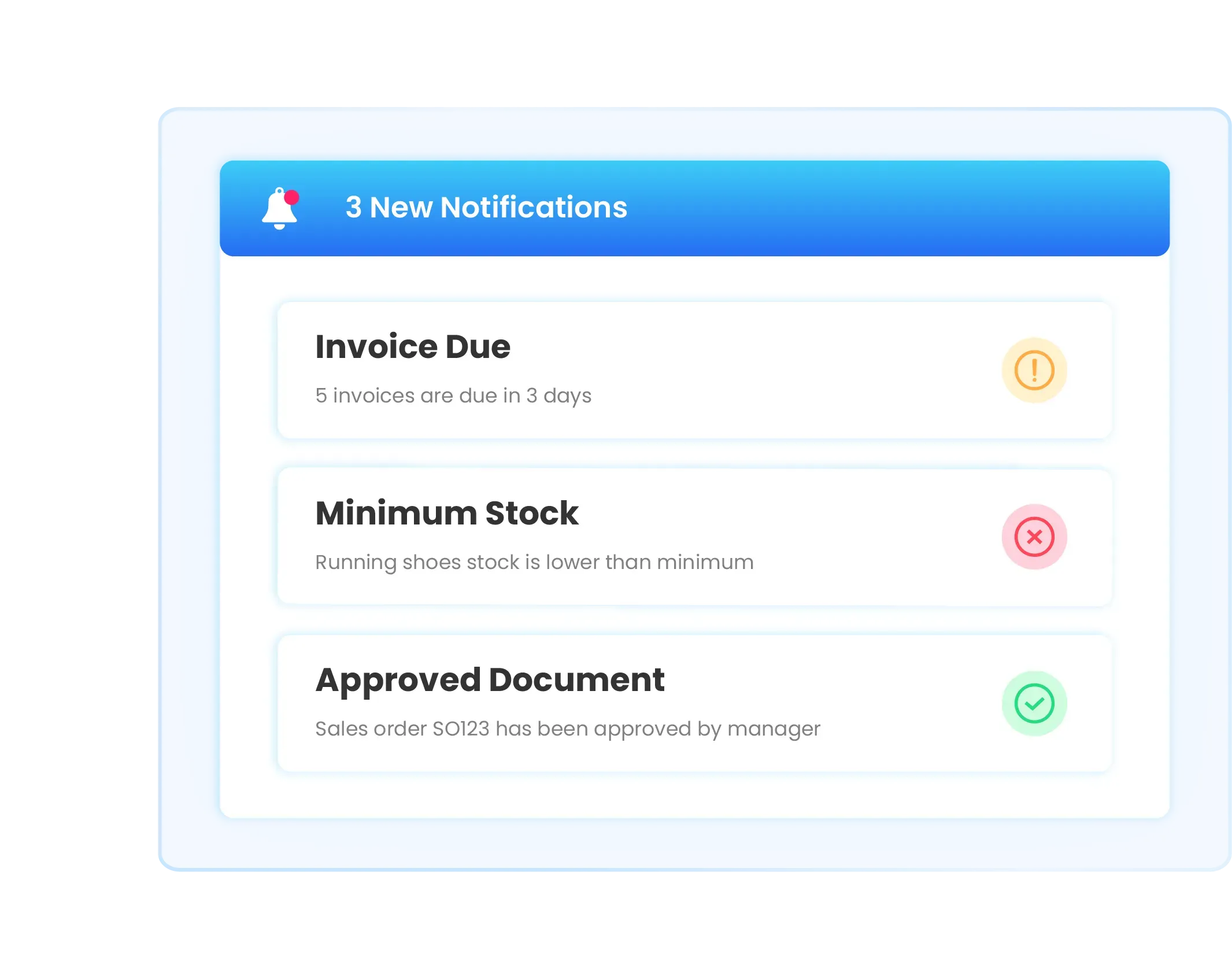
Automated alerts for payables due and receivables
Smart inventory notifications for low or excessive stock levels
Automatic General Ledger Updates
Get a complete overview of all journal entries in one place
Automated journal recording - no more manual entries
Instant notifications when payments are completed
Real-time journal tracking to monitor completed, pending and total transactions
Know Your Company Finances Inside Out

Aging Account Receivable & Payable
Optimise your cash flow management with automated AR and AP aging reports.
Receive due date alerts instantly on both PC and mobile.

Comprehensive and Flexible Asset Management
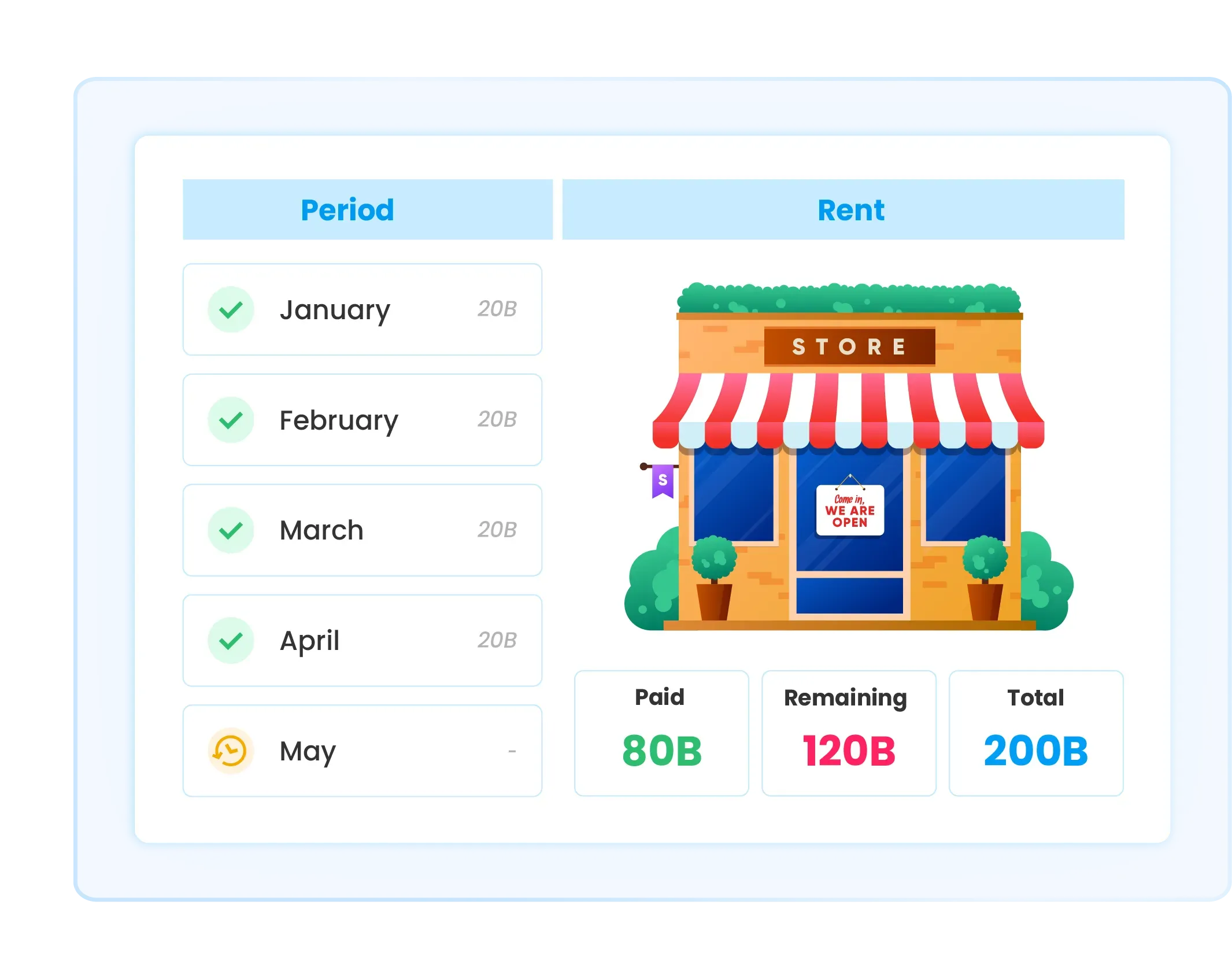
Schedule and automate depreciation using manual, straight-line, or declining balance methods.
Track asset locations across connected warehouses with integrated warehouse management.

General Ledger
Track all transactions from multiple journals in a single dashboard.
Sort transactions by chronology or account type.

Integrated Stocktake Accounting
Integrate stock counts directly with your accounting system.
Automatically update discrepancies in real time within financial reports.
What Our Clients Say
Switch to Ukirama ERP in 2 Weeks!*
Unlike other ERPs, Ukirama can be up and running for all departments in just a few days. Our consulting team will help you implement best practices tailored to your business and industry needs.
Planning
Plan and configure our system to your specific needs
Business Process Simulation
We ensure the system works according to your business processes
Training
Supports users through specialized training for each department
Going Live
Ensures all processes run smoothly after going live
What is an Accounting Software?
An accounting application is software used to manage the accounting of a company, business or personal finances. It includes reports such as balance sheets, profit & loss statements, cash inflows and outflows, cash flow data and changes in equity.
Schedule a DemoUkirama ERP’s accounting module will automate bookkeeping process, reducing manual workload and eliminating human error.
Ukirama ERP accounting software continuously updates its features to comply with the latest accounting and tax regulations in Indonesia.
Yes, Ukirama ERP’s accounting application is aligned with the Indonesian Financial Accounting Standards (PSAK), making company accounting simpler and fully compliant.
A financial report, or statement, is a document that records all monetary transactions within a business, including purchases, sales and other transactions with economic value.
The Financial Accounting Standards Guidelines (PSAK) states there are 5 types of financial reports commonly used in Indonesia, namely profit and loss statements, balance sheets, changes in capital, cash flows and financial statements notes.